
Roof Cyclones in Rwanda: Quality Roof Ventilation Solutions from IMK Industrial Materials Limited
Are you looking for reliable roof cyclones in Rwanda to improve ventilation in your factory, warehouse, workshop, commercial building or industrial facility? Proper roof ventilation is an important consideration when designing or improving buildings where heat accumulates, air circulation is limited, or indoor working conditions need improvement.
Industrial Materials Kenya welcomes enquiries from customers looking for roof cyclone products for projects in Rwanda. Whether you are a contractor working on a new industrial building, a warehouse owner improving air circulation, or a procurement officer sourcing ventilation equipment, selecting the right product begins with understanding your building’s requirements.
Call Industrial Materials Kenya
0769723154
Email
info@industrialmaterials.co.ke
What Are Roof Cyclones
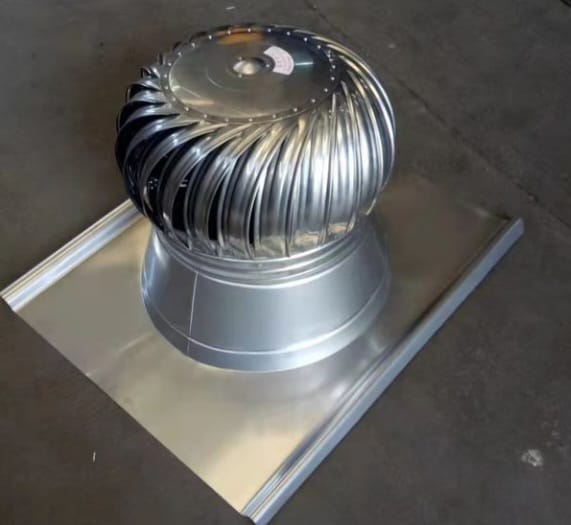
Roof cyclones are roof-mounted ventilation devices that help move indoor air to the outside. In many commercial and industrial applications, the term refers to rotating turbine ventilators that use wind to assist air extraction.
A typical turbine roof ventilator consists of a rotating head, a supporting base and an opening that connects the unit to the building’s interior. When wind passes around the turbine, the rotating assembly helps create airflow that assists the movement of air out of the building.
Warm air often rises towards the roof. When a building has a suitable roof outlet and adequate openings for replacement air, a roof cyclone can help release some of this accumulated warm air.
Roof cyclones may be considered for:
Industrial factories and manufacturing plants.
Warehouses and distribution centres.
Workshops and production halls.
Agricultural and storage buildings.
Commercial premises with large roof areas.
Selected institutional and service buildings.
The suitability of a roof cyclone depends on the building design, heat load, local wind conditions, product specifications and ventilation requirements.
It is important to distinguish general roof ventilation from specialised industrial extraction. Where a process produces hazardous fumes, chemical vapours, welding smoke or combustible dust, an appropriately engineered extraction system may be necessary.


Benefits of Roof Cyclones in Rwanda
1 Helps reduce heat accumulation
Factories, workshops and warehouses can experience significant heat buildup, especially when exposed to direct sunlight or operating machinery throughout the day.
Roof cyclones help provide an outlet for warm air near the roof. When combined with sufficient replacement air, they may improve indoor thermal conditions.
This can be useful in buildings where heat accumulation affects staff comfort and everyday operations.
2 Supports natural ventilation
Wind-driven roof cyclones use natural wind energy rather than relying on a continuously powered fan motor to rotate the turbine.
For suitable applications, this can help improve ventilation while reducing the electricity demand associated with powered extraction equipment.
However, ventilation performance varies with wind conditions, so these units may not provide consistent airflow during calm weather.
3 Improves air circulation
Roof cyclones can support the movement of indoor air when appropriate fresh-air inlets and airflow paths are provided.
Better air circulation can be beneficial in large buildings where heat and stale air tend to accumulate near the roof.
4 . Can operate without a powered fan motor
Many wind-driven turbine roof ventilators rotate using wind energy and do not need an electric motor to drive the turbine.
This can simplify operation and reduce dependence on electrical power for the ventilator itself. Customers should confirm the operating principle of the specific product before purchasing because not all roof extractors are identical.
Applications of Roof Cyclones in Rwanda
Commercial buildings
Workshops, large retail premises and selected commercial facilities can use roof ventilation as part of an overall indoor comfort and air-circulation strategy.
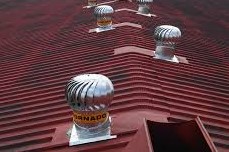
Commercial buildings
Workshops, large retail premises and selected commercial facilities can use roof ventilation as part of an overall indoor comfort and air-circulation strategy.
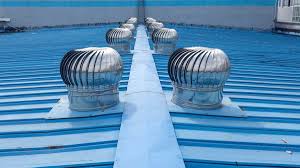
Warehouses and distribution centres
Storage facilities often have large roof areas and substantial internal volumes. Roof ventilators can help manage heat accumulation and support air movement in warehouses storing general goods.
Manufacturing factories
Factories may generate heat through machinery, manufacturing processes and production equipment. Roof cyclones can help extract accumulated warm air where a suitable natural ventilation arrangement is available.
How to Choose the Right Roof Cyclone in Rwanda
1. Establish the building size
Record the building’s floor area, ceiling height and approximate internal volume. A larger building may require more ventilation capacity, but the number of roof cyclones cannot be determined accurately from floor area alone.
2. Determine the ventilation requirement
Consider the intended purpose of the ventilation system. Is the main objective to reduce heat buildup, improve general air circulation, remove moisture or exhaust air from a particular process?
The required airflow should be determined using the building’s use, heat load, occupancy and applicable ventilation criteria.
3. Check the ventilator’s specifications
Ask the supplier for the available product specifications, including:
Ventilator size and overall dimensions.
Airflow capacity or tested performance data, where available.
Material of construction and corrosion resistance.
Recommended installation method.
Suitability for the roof type.
Maintenance and warranty information.
Any relevant product testing or compliance documentation.
Do not assume that two ventilators with similar external dimensions provide the same airflow.
4. Consider the roofing material
Roof cyclones may be installed on suitable metal-sheet roofs and other roof constructions, depending on the base design and installation method.
Confirm that the selected unit can be securely mounted to the existing roof. The installation must maintain weatherproofing and must not compromise the roof’s structural integrity.
5. Evaluate the site’s exposure to wind
Wind-driven ventilators depend partly on the wind available at the installation site. Nearby buildings, roof geometry and local wind conditions may affect performance.
A suitable design should account for periods of low wind, especially in buildings with high heat loads or demanding indoor-air-quality requirements.
6. Confirm the required number of units
The correct number of roof cyclones depends on their effective airflow, the building’s ventilation demand, air-inlet provision and the layout of the space.
A qualified ventilation professional can help determine the number and placement of units. Avoid choosing a quantity based solely on a general rule of thumb when reliable ventilation is important.
7. Assess durability and maintenance
The ventilator should be suitable for the environment in which it will operate. Buildings exposed to moisture, corrosive atmospheres or industrial pollutants may need particular materials or protective finishes.
Roof Cyclones vs. Powered Exhaust Fans
Feature | Wind-driven roof cyclone | Powered exhaust fan |
|---|---|---|
Operating principle | Uses wind and natural airflow to assist air extraction | Uses a motor to drive air movement |
Electricity | Typical turbine models do not require a powered fan motor | Requires an appropriate power supply |
Airflow consistency | Can vary with wind and site conditions | Can provide more controlled airflow when correctly specified |
Low-wind performance | May be reduced in calm conditions | Can continue operating when power is available |
Controls | Typically passive, depending on model | May support switches, speed controls or automation |
Best suited to | Appropriate buildings seeking supplementary or natural ventilation | Applications requiring more predictable or engineered airflow |
Neither option is automatically best for every building. A wind-driven roof cyclone may be suitable for general heat extraction in an appropriately designed building, while a powered exhaust fan may be preferable when a specific airflow rate must be maintained.
Frequently Asked Questions About Roof Cyclones in Rwanda
1. What are roof cyclones used for?
Roof cyclones are used to help remove warm or stale air from buildings through roof-mounted ventilation openings. Depending on the design and installation, they can help reduce heat buildup and improve general air circulation in suitable industrial, commercial and agricultural buildings.
2. Where can I buy roof cyclones for a project in Rwanda?
You can contact Industrial Materials Kenya on 0769723154 or email info@industrialmaterials.co.ke to enquire about roof cyclone products, specifications, pricing and possible delivery arrangements for Rwanda. Confirm availability and delivery terms before ordering.
3. How much do roof cyclones cost in Rwanda?
Prices depend on the unit size, construction material, design, specifications, quantity and delivery arrangements. Contact Industrial Materials Kenya for a quotation based on your required product and destination.
4. Do roof cyclones require electricity?
Typical wind-driven turbine roof ventilators do not require electricity to rotate. They use wind to assist air extraction. Other types of roof extractors may use electric motors, so the operating principle should be confirmed for the specific model.
5. Do roof cyclones work when there is no wind?
Wind-driven roof cyclones generally perform less effectively in calm conditions. Natural temperature differences and pressure variations may still influence airflow, but performance can be limited. Buildings that require reliable ventilation at all times may need a mechanically powered alternative or a hybrid ventilation design.
6. Can roof cyclones reduce heat in a warehouse?
Yes, roof cyclones can help remove accumulated warm air from a suitably designed warehouse. The degree of improvement depends on the roof’s heat gain, the building layout, the ventilator’s airflow performance, wind conditions and the amount of replacement air entering the building.
They do not provide refrigeration or air conditioning, and they cannot guarantee a particular indoor temperature.
7. Are roof cyclones suitable for factories?
They can be suitable for factories where the main requirement is general heat extraction or supplementary ventilation. Where operations generate hazardous fumes, chemicals, dust or other contaminants, a dedicated extraction system may be necessary.
8. Can roof cyclones be installed on iron-sheet roofs?
Many roof ventilators are designed for compatible metal-sheet roofing. However, the base, fixing method, roof slope and waterproofing details must match the particular product and roof construction.
9. How many roof cyclones does a warehouse need?
There is no single correct number for every warehouse. The number depends on the required airflow, internal volume, heat load, building layout, wind exposure, air-inlet arrangement and individual unit performance. A ventilation assessment is recommended for accurate sizing.
10. Do roof cyclones prevent roof leaks?
A roof cyclone does not automatically prevent leaks. Proper installation, suitable flashing, compatible seals and secure mounting are essential to maintain the roof’s weather resistance.
11. Can roof cyclones remove bad smells?
They may help remove some ordinary odours when the ventilation arrangement provides adequate airflow. However, odour removal depends on the source and concentration. Hazardous vapours or process emissions may require specialised extraction, filtration or treatment.
12. Are roof cyclones suitable for poultry houses?
They may form part of a poultry-house ventilation system, but the design must account for bird numbers, moisture, temperature, air distribution and harmful gases. Natural ventilation alone may not provide sufficient control under all weather conditions.
13. How long do roof cyclones last?
Service life depends on material quality, corrosion exposure, bearings, installation, maintenance and environmental conditions. Ask the supplier about the specific product’s construction, warranty and recommended maintenance schedule.
14. What information should I provide when requesting a quotation?
Provide your building type, approximate dimensions, roof material, required quantity, intended application and delivery location in Rwanda. If available, include photographs, roof drawings or product specifications. This helps the supplier understand your requirements.
15. Can I order roof cyclones in bulk?
Bulk enquiries can be made directly to Industrial Materials Kenya. Provide the quantity and required specifications so the team can confirm availability, pricing and applicable supply arrangements.
16. Do roof cyclones work during rainy weather?
A suitably designed and correctly installed roof ventilator can operate in rainy conditions, subject to its construction and the weather. Correct flashing, mounting and weatherproofing are essential. Strong winds and severe weather may also affect performance and maintenance needs.
17. Are roof cyclones the same as turbine roof ventilators?
The terms are sometimes used interchangeably in the market to describe wind-driven rotating roof ventilators. However, product terminology varies, so confirm the actual design and specifications before purchasing.
18. Can roof cyclones replace air conditioning?
No. Roof cyclones assist ventilation; they do not actively cool air in the way an air-conditioning system does. They may help remove accumulated heat, but buildings requiring precise temperature control may need additional cooling equipment.
Contact Industrial Materials Kenya
Roof cyclones and industrial ventilation enquiries
Call us
0769723154
Email us
info@industrialmaterials.co.ke