
Ceramic Fiber Blanket in Kenya
Industrial Materials Kenya provides premium-grade blankets, expert guidance, and reliable service to meet your insulation needs. Improve your energy savings, safety, and operational efficiency today.
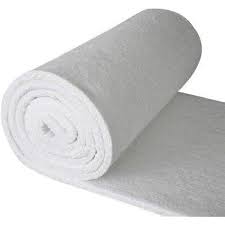
What is a Ceramic Fiber Blanket?
A ceramic fiber blanket is a lightweight insulation material made from alumina-silica fibers. These fibers are formed into flexible mats or blankets that can withstand extremely high temperatures, typically between 1260°C to 1600°C. The blanket’s low thermal conductivity and excellent refractory properties make it ideal for industrial and high-temperature applications.
Key Features of Ceramic Fiber Blanket:
-
High-temperature resistance
-
Low thermal conductivity
-
Lightweight and flexible
-
Excellent chemical stability
-
Easy to cut and shape for different applications
By using ceramic fiber blankets, industries in Kenya can significantly reduce heat loss, save energy, and enhance operational safety.
Types of Ceramic Fiber Blankets in Kenya
Industrial Materials Kenya supplies a range of ceramic fiber blankets suitable for diverse applications:
-
Standard Ceramic Fiber Blanket:
Used for furnace linings, boiler insulation, and general high-temperature applications. -
Low Bio-Persistence Ceramic Fiber:
Environmentally safer, designed to minimize respiratory hazards during handling. -
High-Density Ceramic Fiber Blanket:
Provides enhanced mechanical strength for demanding industrial applications. -
Vacuum Formed Ceramic Fiber Blanket:
Customized shapes for precise fitting in furnaces, kilns, or pipe insulation. -
Acoustic and Thermal Ceramic Blanket:
Combines thermal insulation with soundproofing for specialized industrial equipment.
Tip: Always select the right thickness, density, and grade depending on operating temperature and application.
Why Choose Ceramic Fiber Blanket in Kenya?
1. High-Temperature Resistance
Ceramic fiber blankets can withstand extreme temperatures without losing their insulating properties, making them ideal for furnaces, kilns, and boilers.
2. Energy Efficiency
Their low thermal conductivity minimizes heat loss, reducing energy costs in industrial processes.
3. Durability
Ceramic fiber blankets resist shrinkage and maintain their structure over time, ensuring long-term insulation efficiency.
4. Chemical Stability
They are resistant to most chemicals, acids, and alkalis, which enhances their performance in harsh industrial environments.
5. Lightweight and Flexible
Easy to handle, cut, and install, even in complex shapes and confined spaces.
6. Fire Safety
Non-combustible and capable of withstanding extremely high temperatures, adding a layer of safety to industrial operations.
Applications of Ceramic Fiber Blanket
Ceramic fiber blankets are versatile and widely used in Kenya across various sectors:
-
Industrial Furnaces and Kilns: Provides lining for high-temperature furnaces used in steel, ceramics, and glass industries.
-
Boilers and Pipe Insulation: Reduces heat loss in industrial piping and boilers.
-
High-Temperature Ducts: Suitable for ducts that carry hot gases or air.
-
Foundries and Heat Treatment Plants: Maintains controlled high temperatures during metal processing.
-
Residential Fireplaces and Stoves: Ensures thermal insulation and fire safety in homes.
How to Install Ceramic Fiber Blanket
Correct installation ensures maximum thermal efficiency and durability. Here’s a step-by-step guide:
-
Measure the Area:
Accurately measure walls, ducts, furnaces, or other surfaces to determine the quantity of ceramic fiber blanket required. -
Cut to Size:
Use a utility knife or scissors to cut the blanket to the desired shape. Protective gloves and masks are essential to avoid skin and respiratory irritation. -
Secure in Place:
Attach using mechanical fasteners, pins, or adhesives as suitable for the application. Do not compress the blanket excessively, as this reduces insulation efficiency. -
Seal Gaps:
Ensure no gaps or overlaps to maximize thermal insulation and energy savings. -
Finish or Cover:
In industrial setups, cover the blanket with metal cladding or ceramic panels to protect from mechanical damage.
Pro Tip: For pipe insulation, wrap the blanket evenly around the pipe and secure with stainless steel bands for high-temperature applications.
Maintenance of Ceramic Fiber Blanket
Ceramic fiber blankets are low-maintenance but periodic checks improve longevity:
-
Inspect for mechanical damage or tears
-
Ensure the blanket is dry and free from contamination
-
Replace sections that have been compressed or damaged
-
Maintain protective coverings to prevent wear from industrial operations
Frequently Asked Questions (FAQs)
Q1: Is ceramic fiber blanket safe to handle?
A1: Yes, it is safe with protective gear like gloves, long sleeves, and a mask to prevent irritation during installation. Low bio-persistence blankets reduce health risks.
Q2: How long does a ceramic fiber blanket last?
A2: With proper installation and protection, it can last 10–30 years depending on operating temperature and conditions.
Q3: Can it be used outdoors?
A3: Yes, but protect it from direct exposure to moisture using cladding or protective coverings.
Q4: Does ceramic fiber blanket reduce energy costs?
A4: Absolutely. Its high thermal resistance minimizes heat loss in high-temperature processes, saving significant energy.
Q5: Where can I buy ceramic fiber blankets in Kenya?
A5: Industrial Materials Kenya supplies premium ceramic fiber blankets for industrial and residential use. Contact/whatapp 0769723154 or email info@industrialmaterialskenya.co.ke.
Why Buy from Industrial Materials Kenya?
-
Experienced and trusted supplier in Kenya
-
Competitive pricing for retail and bulk orders
-
Nationwide delivery across Kenya
-
Expert guidance to select the right grade and thickness
-
Do-follow links to related products:
Related Products:
ORDER TODAY
Call/Whatsapp: 0769723154